
Palatal expansion
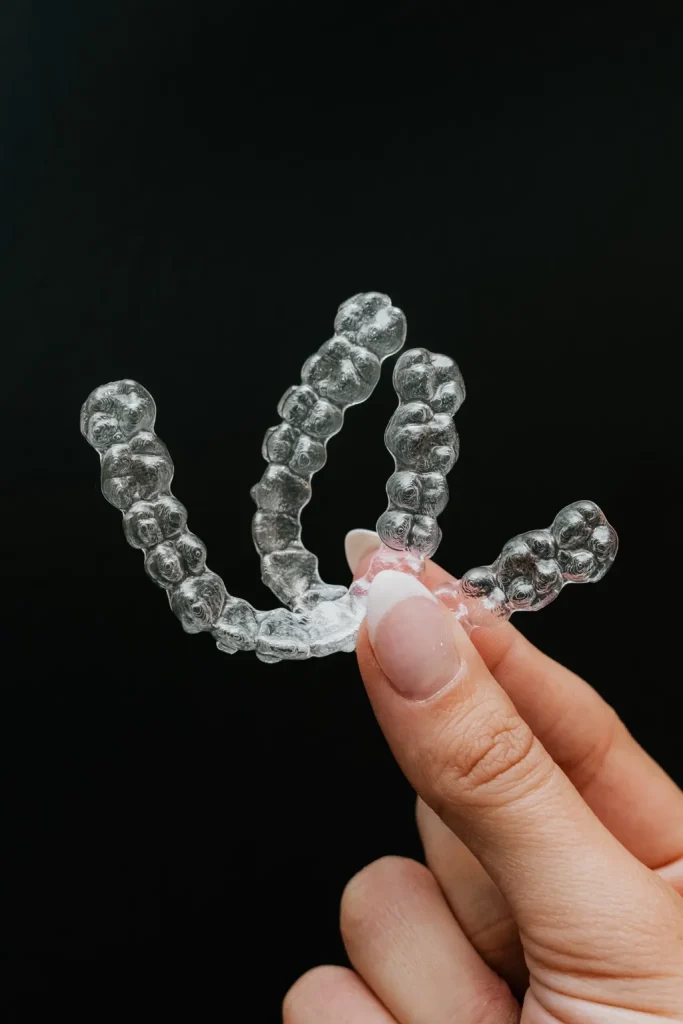
Palatal Expansion: Options and Benefits
When a child’s palate is too narrow, the permanent teeth may not have enough room to erupt properly. In these cases, palatal expansion can help ensure healthy dental and airway development.
Since 2025, a new, simpler, and more comfortable solution has become available: the Invisalign Palatal Expander™ (IPE).
Our Palatal Expansion Options
Invisalign Palatal Expander™ (IPE)
A modern, discreet, and comfortable approach.
- A series of clear aligner‑style trays changed every two days
- Gentle, gradual, and pain‑free expansion
- No parental activation required
- Highly comfortable and well‑accepted by children
- Effective widening of the palate without metal appliances
Hyrax Expander (Traditional Method)
Still recommended for certain specific cases.
- Metal appliance bonded to the palate
- Requires daily activation with a key
- Used when a more targeted or rapid expansion is needed
Benefits of Palatal Expansion
Creates Space for Permanent Teeth
- Widens the dental arch
- Allows permanent teeth to erupt properly
- Reduces crowding and misalignment
Improves Breathing and Airway Function
- Expansion of the upper jaw helps open the nasal and airway passages
- Encourages nasal breathing, which is essential for healthy development
Positive Impact on Overall Health
- Better oxygenation during sleep
- More restorative rest
- Amélioration de la concentration, de l’énergie et du comportement.
My Child Snores, Has Dark Circles, or Struggles With Focus — Can Expansion Help?
Common signs include:
- Snoring (awake or asleep)
- Mouth breathing
- Restless sleep
- Chronic fatigue
- Difficulty concentrating or hyperactivity
A Consultation Can Provide Answers
An orthodontic evaluation allows us to:
- Assess the width of the palate
- Evaluate breathing patterns
- Determine whether expansion is needed
- Recommend the most appropriate method (IPE or Hyrax)
Why Mouth Breathing Is Harmful
- The tongue rests on the lower teeth instead of the palate
- It cannot perform its natural role in shaping and widening the palate
- The palate becomes high and narrow, compressing the airway
- This can lead to snoring, noisy breathing, and poor‑quality sleep
Possible Causes to Investigate
- Enlarged adenoids
- Enlarged tonsils
- Chronic nasal obstruction