
Wisdom Teeth Extraction
When and Why Is It Necessary?
Wisdom teeth typically erupt between ages 16 and 25, but their appearance often brings complications. In many cases, the jaw simply doesn’t have enough space to allow these teeth to emerge properly. As a result, wisdom teeth may remain trapped under the gums, erupt only partially, or grow at an angle — all of which can lead to discomfort and oral health issues.
Why Do Wisdom Teeth Cause Problems?
When wisdom teeth lack space or grow in the wrong direction, they can lead to:
- Douleurs et inconfort
- Infections caused by trapped bacteria
- Cysts or damage to surrounding structures
- Pressure on neighbouring teeth, sometimes causing them to shift
- Difficulties cleaning the area, increasing the risk of cavities and gum inflammation
A wisdom tooth may be impacted, partially erupted, or misaligned, making proper eruption difficult and increasing the likelihood of complications.
When Is Extraction Recommended?
Wisdom tooth removal may be recommended when:
- the tooth is impacted or partially erupted,
- the tooth is growing in the wrong direction,
- there is infection or inflammation,
- the tooth is damaging or threatening neighbouring teeth,
- orthodontic treatment requires additional space,
- the tooth presents a high risk of decay that is difficult to treat.
Each case is unique. Our dentists carefully evaluate your situation to determine the best approach for your oral health.
A Common, Comfortable, and Well‑Managed Procedure
Wisdom tooth extraction is a routine procedure performed under local anesthesia to ensure your comfort throughout the treatment.
For patients who feel anxious about dental surgery, it is also possible to prescribe an anxiolytic medication to take before the appointment. This helps create a calmer, more relaxed experience.
Depending on the complexity of the case, sedation options may also be available.
Our team is committed to making the procedure as gentle and safe as possible, while guiding you through post‑operative care to support smooth healing.
Evaluation Before Extraction
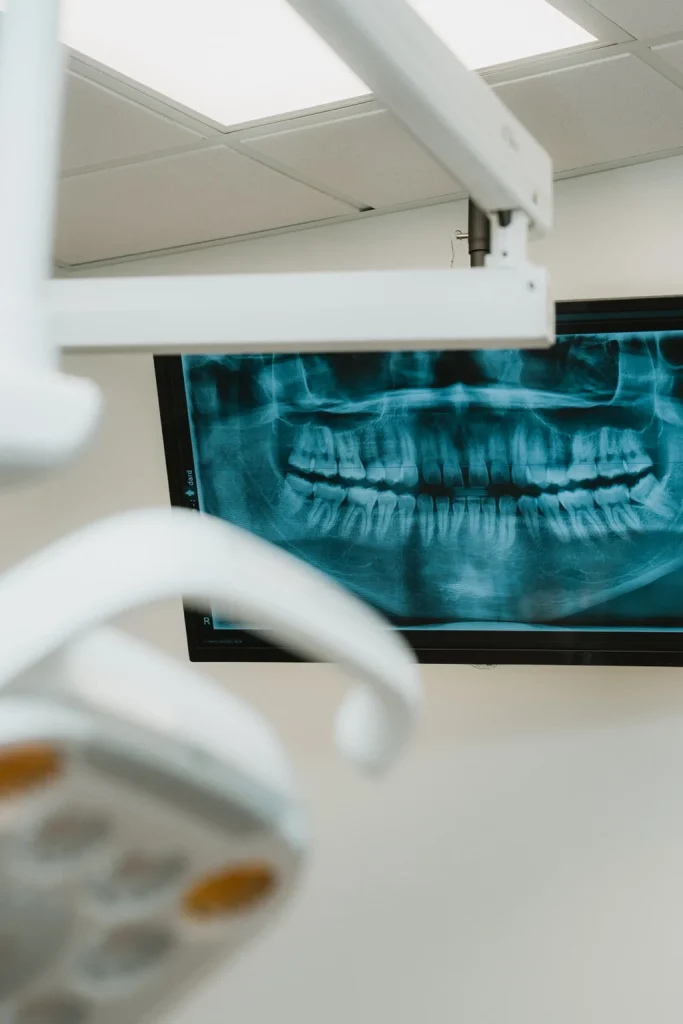
Before deciding on extraction, a complete clinical examination and radiographs are essential. This assessment helps:
- determine the position of the wisdom teeth,
- identify infections, cysts, or bone involvement,
- evaluate the risks associated with eruption,
- decide whether extraction is recommended.
In some cases, extraction is advised preventively, even before the teeth fully appear, to avoid future problems.